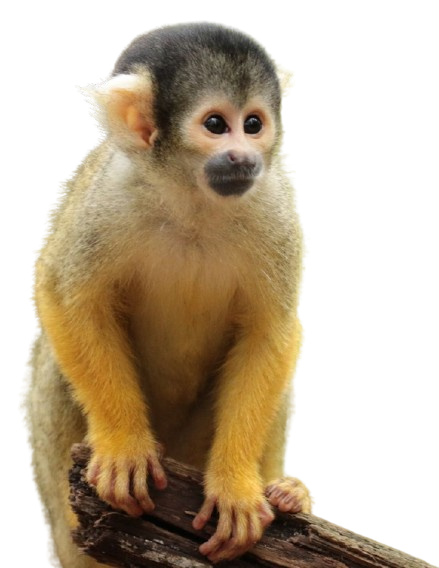
Available Mamoset Monkeys - Safe Delivery Nationwide
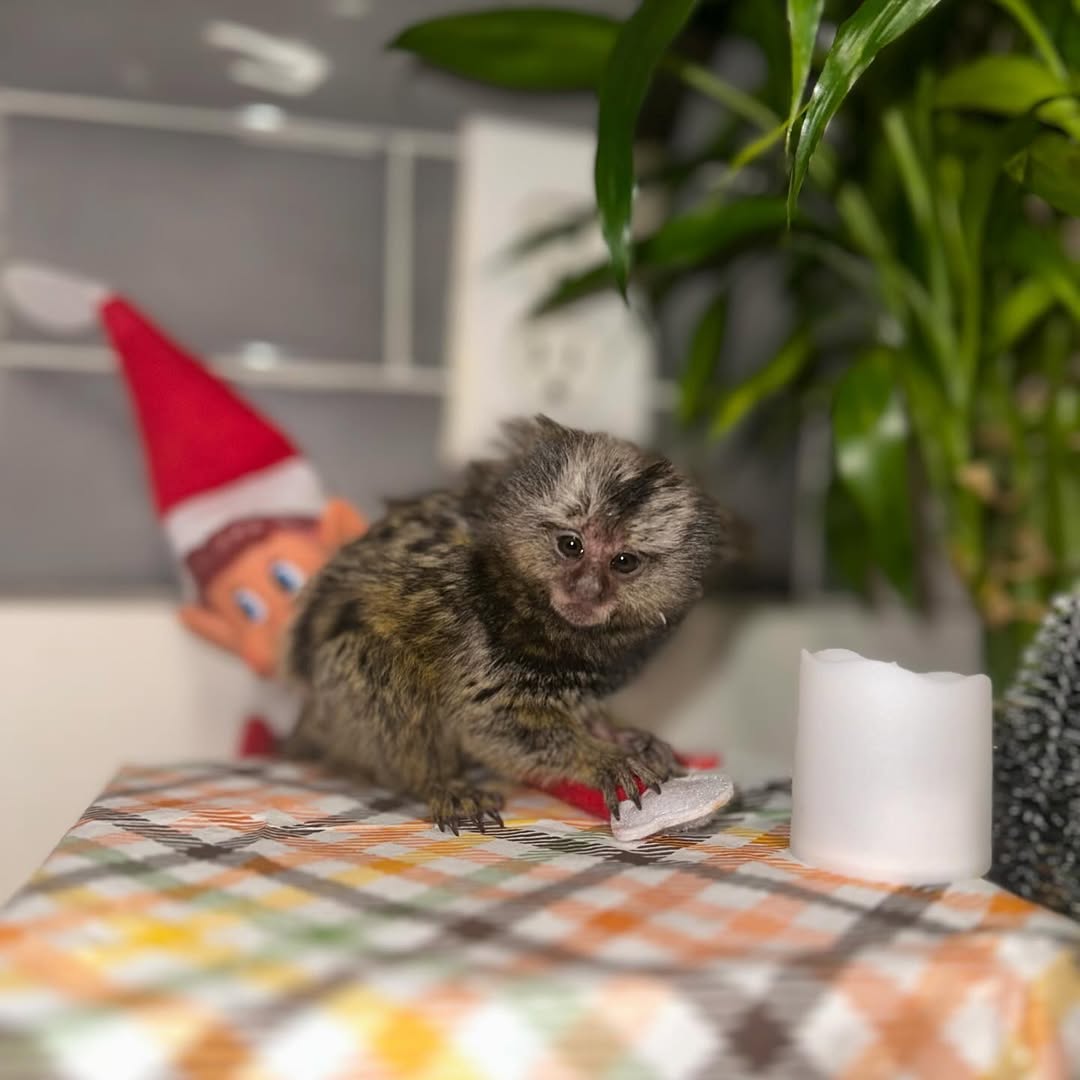
Opal
Opal is alert and affectionate with familiar caretakers. He has a relaxed temperament and enjoys engaging with enrichment throughout the day.
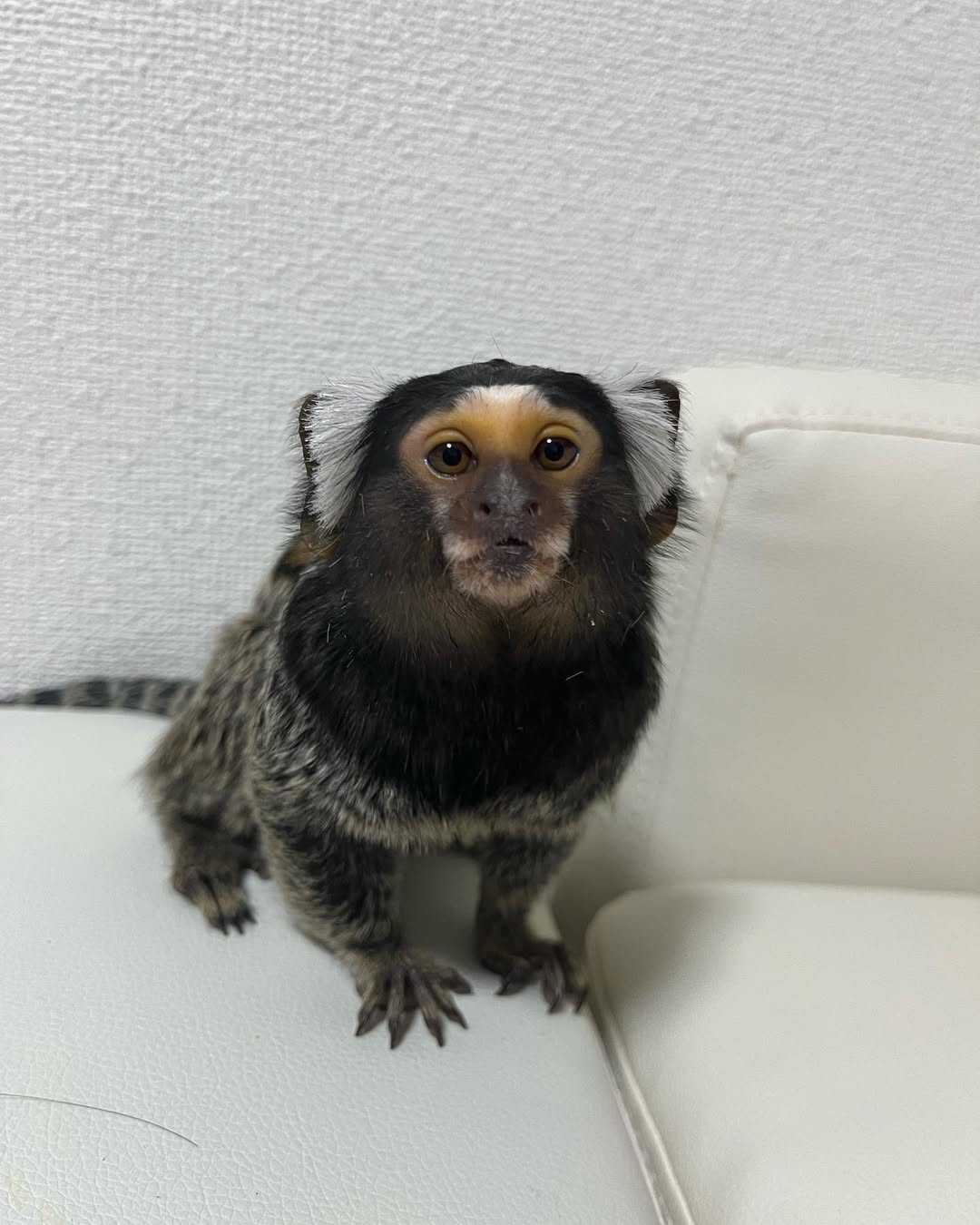
Pipi
Pipi has a gentle and calm nature. She enjoys quiet moments and is attentive to her environment.
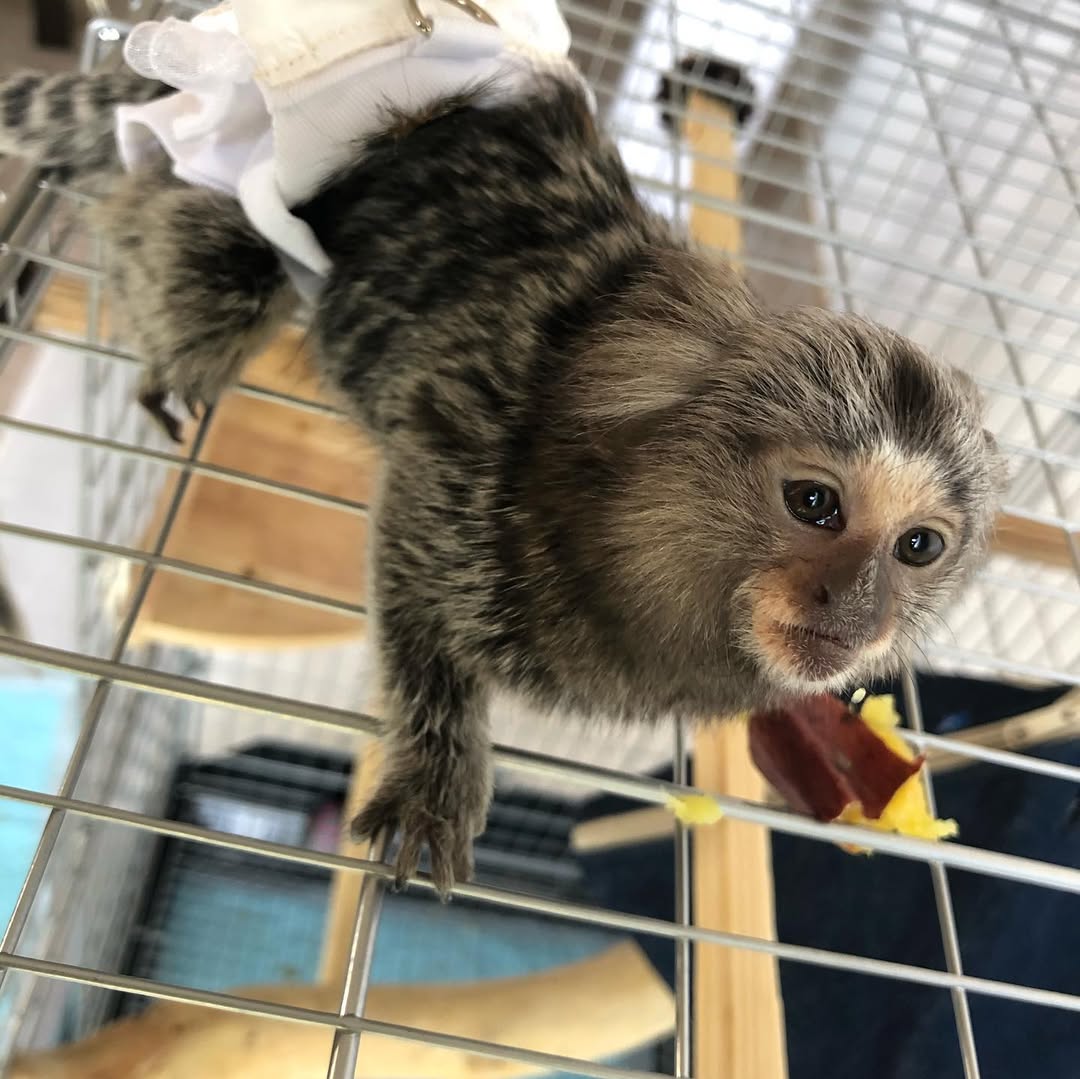 alt="Coco Mamoset Monkey for sale">
Coco
Coco is curious and bright, always eager to explore new surroundings and investigate enrichment activities.
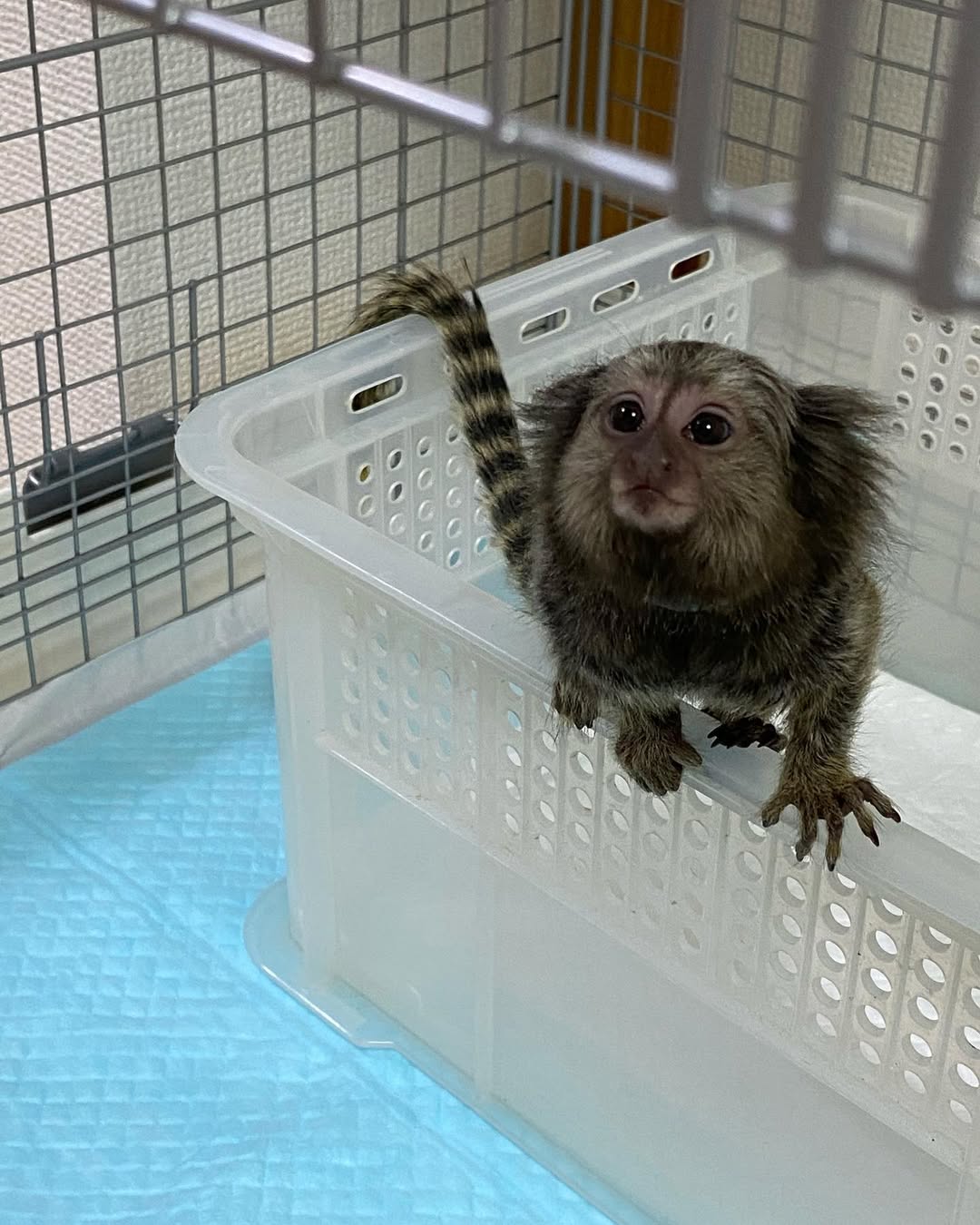
Pokke
Pokke is playful and energetic, often spending her time climbing, foraging, and exploring.
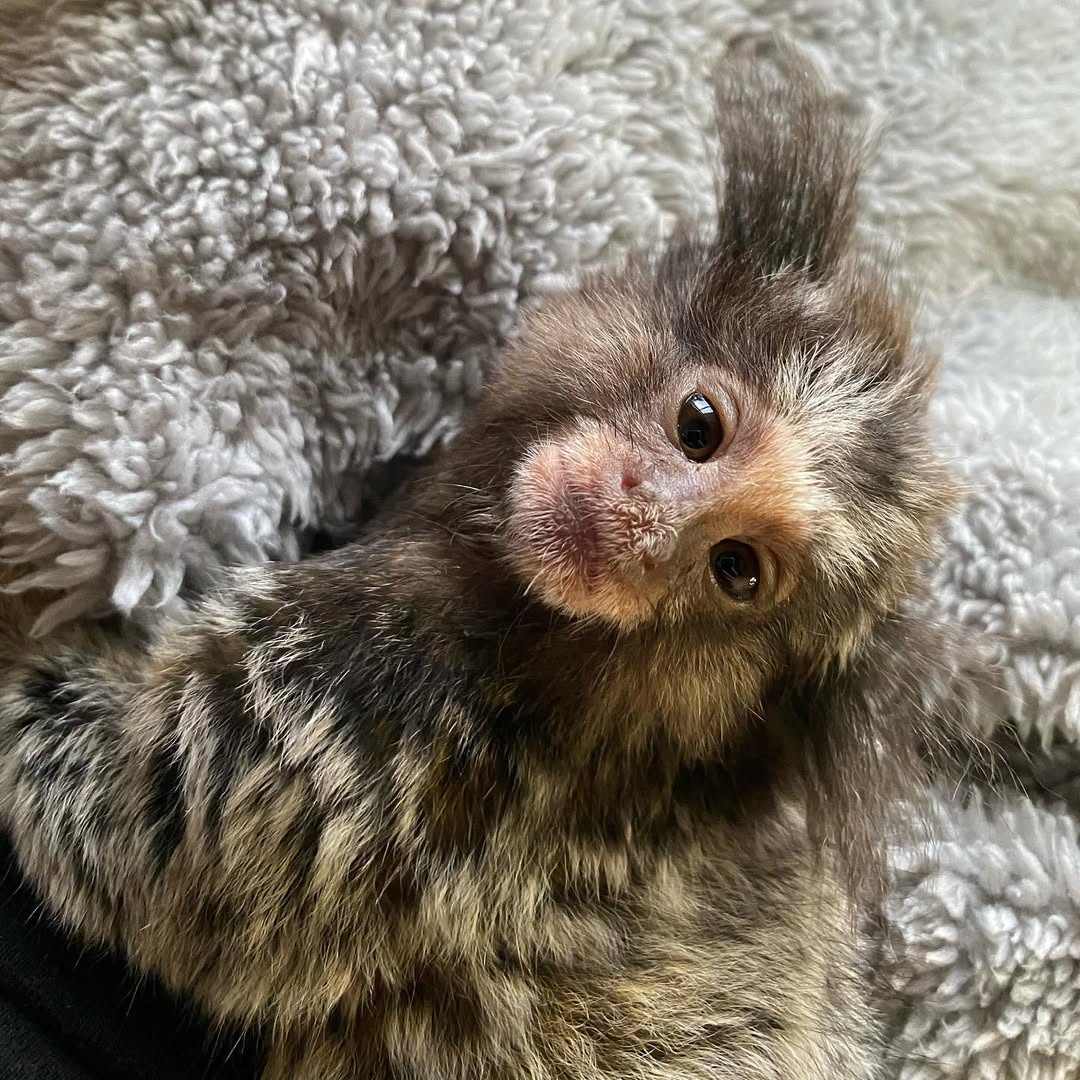
Boo
Boo is confident and adventurous, with an inquisitive personality and a love for climbing and solving enrichment puzzles.
Marmoset Monkeys
Tiny, Animated Companions

🧬 Overview & History
Marmosets are small primates belonging to the family Callitrichidae, with popular species like the common marmoset and the pygmy marmoset. They are native to South America, especially in countries such as Brazil, Peru, Ecuador, and Bolivia, where they live in tropical forests and woodlands.
Marmosets have long intrigued humans because of their tiny size, expressive faces, and social nature. In recent decades, they’ve become especially popular among exotic pet enthusiasts due to how interactive and manageable they appear compared to larger primates.
Temperament & Personality
Marmosets are known for their lively, affectionate, and highly social personalities. Their small size combined with their big personality is a major reason many people find them appealing as pets.
- Extremely social – they naturally live in close-knit family groups
- Playful and energetic – constantly moving, climbing, and exploring
- Affectionate – can bond closely with their caregiver
- Vocal and expressive – communicate with chirps, trills, and calls
- Curious and alert – always interested in their surroundings
👉 What makes marmosets stand out is their constant engagement. They love interaction and often seek out attention, making them feel like a tiny, animated companion in the home.

🍎 Feeding & Diet
Marmosets have a specialized diet that sets them apart from many other primates. In the wild, tree sap and gum are a major part of their diet.
Marmosets often gnaw on branches to stimulate sap flow—this is a natural behavior that should be encouraged with safe materials like Gum arabic or sap substitutes.
A balanced captive diet includes:
- Specialized marmoset or primate food
- Fresh fruits: bananas, berries, apples
- Insects: crickets, mealworms
- Small amounts of vegetables and boiled eggs
Feeding them can be a very interactive experience, as they actively use their hands and show excitement during meals.
Care & Living Environment
Proper care is essential for keeping a marmoset healthy and happy. They thrive on interaction, stimulation, and bonding.
Housing & Social Needs:
- Tall enclosure with vertical climbing space (branches, ropes, platforms)
- Warm, humid environment (they are sensitive to cold)
- Constant companionship—they can become stressed if left alone for long periods
Enrichment:
Provide chewing branches for gum-feeding behavior, toys, and regular playtime outside the enclosure in a safe, controlled space.
📏 Size & Physical Characteristics
Marmosets are among the smallest monkeys in the world. Their tiny size makes them easier to handle physically and gives them a delicate appearance.
- Body length: 12–25 cm (5–10 inches)
- Tail length: 15–35 cm (Long, used for balance)
- Weight: 100–350 grams (0.2–0.8 lbs)
They feature soft, silky fur, expressive faces with ear tufts (in some species), and unique claw-like nails instead of flat nails—perfect for gripping trees.
Lifespan
In captivity, marmosets typically live 12–20 years with proper care. This allows for long-term companionship while remaining somewhat shorter than larger primates.
Important Considerations
Responsible ownership is crucial for these delicate animals:
- Require specialized diet including sap/gum
- Can be messy and difficult to house-train
- Need constant attention; can suffer from loneliness
- Legal restrictions and specialized vet care are common requirements
🧾 Final Thoughts
Marmoset monkeys are tiny, intelligent, and full of personality. For someone who is dedicated and well-prepared, they can become deeply bonded companions, bringing energy and charm into daily life.