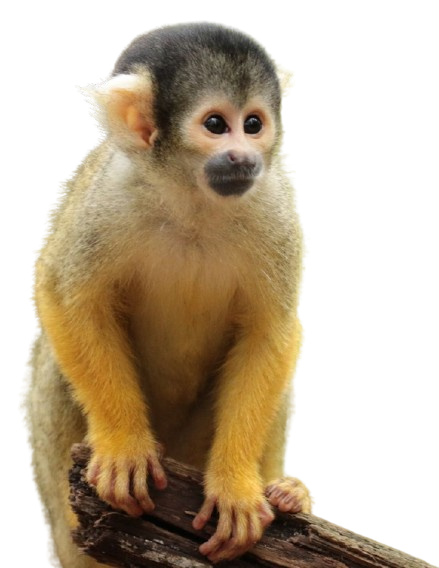
White-Faced Capuchins
The Intelligent Companion

🧬 Overview & History
The white-faced capuchin (also called the white-headed capuchin) belongs to the species Cebus capucinus. These monkeys are native to Central and parts of South America, especially in countries like Costa Rica, Panama, Nicaragua, and Colombia.
They get their name from their resemblance to Capuchin monks—their dark bodies contrasted with a pale, almost hood-like face. Capuchins have long fascinated humans due to their exceptional intelligence. Historically, they’ve been featured in films and even assisted people with disabilities—demonstrating their remarkable ability to learn and cooperate with humans.
🧠 Temperament & Personality
White-faced capuchins are widely considered among the most intelligent New World monkeys. Key traits include:
- Highly intelligent – capable of problem-solving and tool use
- Very social – form deep emotional bonds
- Playful and curious – constantly exploring and interacting
- Expressive – communicate through sounds, gestures, and facial expressions
- Affectionate – can become very attached to their caregiver
What makes them stand out is their human-like behavior. They observe, imitate, and respond emotionally, which makes interactions feel meaningful and engaging. They don’t just “live alongside you”—they actively participate in your daily life.

🍎 Feeding & Diet
Capuchins are omnivores and need a well-balanced, varied diet. A typical diet includes:
- Fruits: bananas, papaya, apples, berries
- Vegetables: cucumbers, carrots, greens
- Protein: insects, boiled eggs, small amounts of cooked meat
- Nutrients: Nuts and seeds (in moderation) and high-quality primate pellets
They enjoy handling food with their hands, often washing or inspecting it—behaviors that many owners find fascinating and relatable. Feeding time can become an interactive bonding experience.
🏡 Care & Living Environment
Capuchins require a significant level of care, but they can thrive in the right environment.
Housing & Enrichment:
- Large enclosure with vertical climbing space (ropes, swings, branches)
- Safe, warm environment suitable for tropical animals
- Puzzle toys and daily training sessions for mental stimulation
Social & Emotional Needs:
These monkeys require daily attention and interaction. They can develop strong attachments to humans but may become stressed or destructive if bored or isolated. Their need for stimulation is what makes them such engaging pets.

📏 Size & Physical Characteristics
White-faced capuchins are slightly larger and more robust than squirrel monkeys:
- Body length: 30–56 cm (12–22 inches)
- Tail length: 30–56 cm (Prehensile tail used for gripping)
- Weight: 2.5–4 kg (5.5–8.8 lbs)
They are easily recognized by their creamy white face and shoulders against a dark brown or black body. Their prehensile tail adds to their appeal, allowing for impressive climbing and interaction.
⏳ Lifespan
In captivity, white-faced capuchins can live 25–40+ years with excellent care. This allows for deep, lasting bonds, making them a long-term companion similar to the commitment of raising a child.
⭐ Why Many People See Them as Great Companions
Because of their exceptional intelligence and trainability, they are often considered one of the most suitable primates for human interaction. They learn routines easily and offer a level of expressive communication that feels uniquely close to human-like behavior.
⚠️ Important Considerations
To stay realistic and responsible, keep in mind:
- Intense time, attention, and stimulation requirements
- Need for specialized veterinary care and potential permits
- Risk of aggression or destructiveness if not properly socialized
🧾 Final Thoughts
For the right person—someone committed, patient, and well-prepared—white-faced capuchins can become deeply bonded, interactive companions. They bring energy, curiosity, and a distinct personality into everyday life, standing out for their ability to connect and learn.